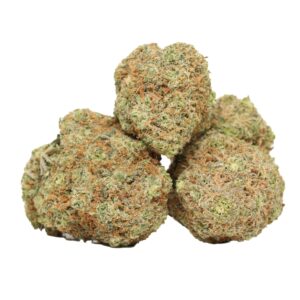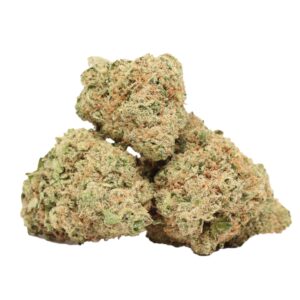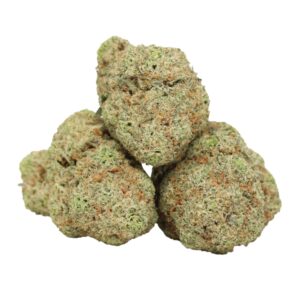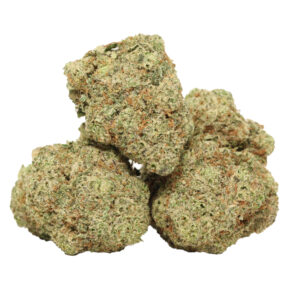
Premium Cannabis
Premium Cannabis: Complete Guide to Quality and Cultivation
What Is Premium Cannabis?
Premium cannabis refers to cannabis grown under high production standards. Producers focus on genetics, cultivation methods, harvesting practices, and quality control.
As legal markets continue to grow, quality has become increasingly important. Therefore, many cultivators invest heavily in research and cultivation technology.
Why Quality Matters
Quality affects every stage of production. Strong genetics support healthy growth. In addition, proper cultivation helps maintain consistency.
Careful harvesting and curing also play important roles. As a result, producers often implement strict quality standards.
Consistency
Consistency helps growers achieve predictable results. Stable genetics and controlled environments support reliable crop performance.
Transparency
Many producers provide laboratory testing information. Consequently, consumers can better evaluate product quality.
The Importance of Genetics
Genetics influence plant structure, flowering time, terpene development, and cannabinoid production. Therefore, breeders invest significant effort into cultivar development.
Breeding Programs
Modern breeding programs focus on preserving desirable traits. Furthermore, breeders continue developing new cultivars with unique characteristics.
Genetic Diversity
Genetic diversity supports innovation throughout the industry. It also helps preserve valuable plant traits.
Key Characteristics of Premium Cannabis
Appearance
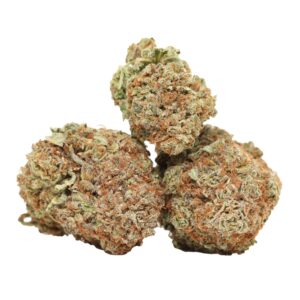
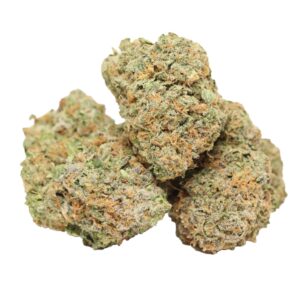
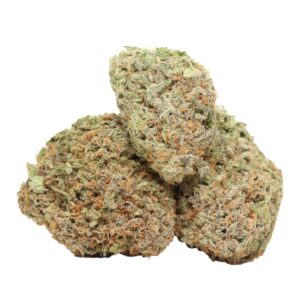
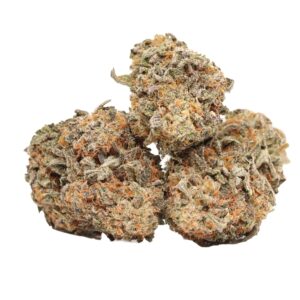
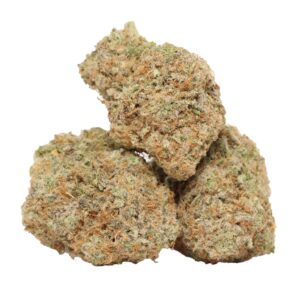
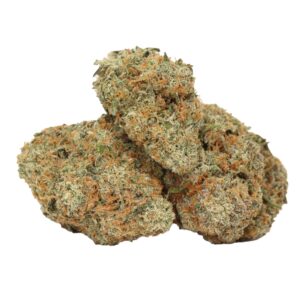
Healthy flowers often display strong structure and visible trichomes. However, appearance should not be the only quality indicator.
Aroma
Terpenes create distinctive aromas. For example, some cultivars produce citrus notes, while others display floral or earthy characteristics.
Structure
Well-developed flowers often reflect careful cultivation and handling practices.
Understanding Cannabinoids
Cannabinoids are naturally occurring compounds found in cannabis plants. Laboratories commonly analyze cannabinoid content during testing.
THC
THC remains one of the most recognized cannabinoids.
CBD
CBD is another important cannabinoid found in many cultivars.
Minor Cannabinoids
Researchers continue studying numerous minor cannabinoids and their characteristics.
The Role of Terpenes
Terpenes contribute to aroma and flavor. In addition, they help distinguish one cultivar from another.
Myrcene
Myrcene appears in many cannabis varieties.
Limonene
Limonene contributes citrus-like aromas.
Pinene
Pinene produces fresh pine-inspired characteristics.
Caryophyllene
Caryophyllene contributes spicy aromatic notes.
Cultivation Methods
Indoor Cultivation
Indoor facilities allow precise environmental control. Consequently, many producers use indoor systems for consistency.
Greenhouse Cultivation
Greenhouses combine natural sunlight with environmental management technologies.
Outdoor Cultivation
Outdoor cultivation relies on natural weather conditions and local climate patterns.
Harvesting and Curing
Harvest timing influences overall product quality. After harvest, producers begin drying and curing procedures.
Drying
Drying reduces moisture content while helping preserve product integrity.
Curing
Curing supports aroma preservation and long-term consistency.
Laboratory Testing
Testing supports transparency and quality assurance. Most laboratories evaluate cannabinoid content, terpene profiles, pesticides, heavy metals, and microbial contaminants.
Conclusion
Premium cannabis reflects the combined influence of genetics, cultivation expertise, harvesting practices, curing procedures, and laboratory testing. Ultimately, quality remains a central focus across the cannabis industry.
Showing 1–12 of 103 results
-
AAA Weed
9 Pound Hammer
Price range: $11.00 through $625.00 Select options This product has multiple variants. The options may be chosen on the product page -
AAAA Weed
94 Monkey
Price range: $12.00 through $675.00 Select options This product has multiple variants. The options may be chosen on the product page -
AAA Weed
Afghani Kush
Price range: $12.00 through $700.00 Select options This product has multiple variants. The options may be chosen on the product page -
AAA Weed
Alaskan Thunder Fuck
Price range: $12.00 through $675.00 Select options This product has multiple variants. The options may be chosen on the product page -
AAA Weed
Animal Cookies
Price range: $12.00 through $675.00 Select options This product has multiple variants. The options may be chosen on the product page -
AAA Weed
Apple Cheese Quake
Price range: $12.00 through $725.00 Select options This product has multiple variants. The options may be chosen on the product page -
AAA Weed
Apple Fritter
Price range: $12.00 through $700.00 Select options This product has multiple variants. The options may be chosen on the product page -
AAA Weed
Atomic Bomb
Price range: $12.00 through $700.00 Select options This product has multiple variants. The options may be chosen on the product page -
AAA Weed
Ayahuasca Purple
Price range: $12.00 through $700.00 Select options This product has multiple variants. The options may be chosen on the product page -
AAA Weed
Banana Mac
Price range: $12.00 through $675.00 Select options This product has multiple variants. The options may be chosen on the product page -
AAA Weed
Banana Runtz
Price range: $12.00 through $700.00 Select options This product has multiple variants. The options may be chosen on the product page