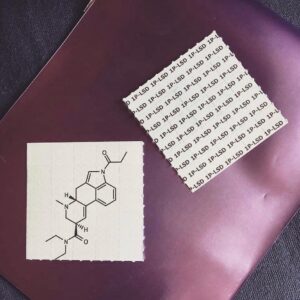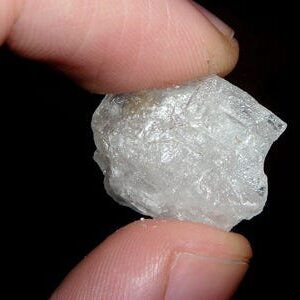
LSD (Lysergic acid diethylamide)
History of LSD
Chemists first developed LSD in the twentieth century.
Later, researchers explored its effects on the human mind. As a result, interest in the substance increased in both research and popular culture.
Early Research
Scientists conducted studies to better understand how LSD affects perception and behavior.
Therefore, LSD became an important subject in psychological research.
Cultural Impact
During the 1960s, LSD became linked with social and cultural movements.
Consequently, public awareness of the substance grew rapidly.
How LSD Works
LSD interacts with certain receptors in the brain.
As a result, people may experience changes in perception, mood, and thought patterns.
However, experiences can differ from person to person.
Sensory Changes
Some people report changes in visual and sensory experiences.
Others notice differences in how they perceive time and surroundings.
Mental Effects
LSD may influence thoughts, emotions, and attention.
Therefore, experiences can vary widely.
Potential Risks
Like many psychoactive substances, LSD can involve risks.
Understanding these risks remains important.
Psychological Effects
Some individuals may experience anxiety or confusion.
In addition, unexpected reactions can occur.
Safety Concerns
Impaired judgment may affect decision-making.
Therefore, safety considerations remain important when discussing LSD.
Scientific Research
Researchers continue to study psychedelic substances.
Current studies explore how these substances affect the brain and behavior.
As a result, scientific understanding continues to develop.
Legal Status
Laws regarding LSD vary across countries and regions.
Therefore, individuals should review local regulations for accurate information.
Conclusion
LSD remains one of the most widely discussed psychedelic substances. Its history, effects, risks, and scientific research continue to attract attention from researchers and the public alike.
Showing all 6 results
-
LSD (Lysergic acid diethylamide)
Liquid LSD
Price range: $300.00 through $20,000.00 Select options This product has multiple variants. The options may be chosen on the product page -
LSD (Lysergic acid diethylamide)
LIQUID LSD
Price range: $300.00 through $8,500.00 Select options This product has multiple variants. The options may be chosen on the product page -
LSD (Lysergic acid diethylamide)
LSD Blotter Papers
Price range: $110.00 through $350.00 Select options This product has multiple variants. The options may be chosen on the product page -
LSD (Lysergic acid diethylamide)
Lsd Crystal
Price range: $150.00 through $2,500.00 Select options This product has multiple variants. The options may be chosen on the product page -
LSD (Lysergic acid diethylamide)
LSD GEL TABS
Price range: $200.00 through $740.00 Select options This product has multiple variants. The options may be chosen on the product page